
Choosing the right drywall for your home is an essential decision for any construction or renovation project. Drywall plays a critical role in creating smooth, durable walls and ceilings, providing a base for finishes such as paint or wallpaper. It’s also crucial for controlling moisture, sound, and fire resistance, all of which contribute to the comfort and safety of your home. In this article, we will guide you through the different types of drywall available, the factors to consider when choosing drywall, and tips for installation and maintenance.
Understanding Drywall Types
Drywall, also known as gypsum board or plasterboard, is one of the most commonly used materials in residential construction. It consists of a gypsum core sandwiched between two layers of paper, making it lightweight and easy to install. There are several types of drywall, each designed for specific purposes and conditions. Here’s an overview of the most common types of drywall:
1. Standard Drywall
Standard drywall is the most commonly used type for general interior walls and ceilings. It is typically available in thicknesses ranging from 1/4 inch to 5/8 inch. This type of drywall is suitable for areas that don’t have high moisture or fire risks. If you’re building or renovating a living room, bedroom, or hallway, standard drywall is likely the best choice.
2. Moisture-Resistant Drywall
Moisture-resistant drywall, often referred to as greenboard or blueboard, is designed for areas prone to high humidity, such as bathrooms, kitchens, and basements. It contains additives that prevent mold growth and improve moisture resistance. Greenboard is not fully waterproof but can withstand more moisture exposure than regular drywall.
3. Fire-Resistant Drywall
Fire-resistant drywall is designed to slow the spread of flames in case of a fire. It is typically used in areas like utility rooms, garages, and spaces between rooms where fire safety is a priority. This type of drywall contains additional materials like fiberglass, which provide extra protection.
4. Soundproof Drywall
If noise reduction is a concern in your home, such as in bedrooms or home theaters, soundproof drywall is an excellent option. It is specially formulated to absorb sound and reduce noise transmission between rooms.
5. Paperless Drywall
Paperless drywall has a fiberglass covering instead of paper. This type is highly resistant to mold and mildew, making it an excellent choice for basements, bathrooms, and kitchens.
Key Factors to Consider When Choosing Drywall
When selecting drywall for your home, there are several factors you need to consider to ensure you make the right choice. These include the specific needs of the space, the desired thickness, size, and edge type, as well as environmental factors.
1. Location and Intended Use
The first step in choosing drywall is to consider where it will be installed and how the space will be used. If you’re working on a bathroom renovation, you’ll need moisture-resistant drywall. For a garage or utility room, fire-resistant drywall is crucial. For living spaces, standard drywall usually works best.
Here’s a quick guide based on room type:
- Bathrooms and Kitchens: Moisture-resistant drywall
- Basements: Paperless or moisture-resistant drywall
- Living Rooms and Bedrooms: Standard drywall
- Utility Rooms and Garages: Fire-resistant drywall
Working with experienced drywall contractors denver ensures the right material is selected and installed correctly for each space.
2. Thickness
Drywall thickness impacts strength and performance:
- 1/4-inch drywall: Used for curves and overlays
- 1/2-inch drywall: Standard residential choice
- 5/8-inch drywall: Better fire resistance and soundproofing
Thicker boards offer better durability but may require more skilled handling during installation.
3. Size
Drywall panels typically come in 4-foot widths and various lengths such as 8, 10, or 12 feet. Larger sheets reduce seams but are harder to handle.
Choosing the right size reduces installation time and improves the final appearance of walls.
4. Edge Types
Drywall edge type affects finishing quality:
- Tapered Edges: Best for smooth joints
- Square Edges: Used where seams are less critical
- Beveled Edges: Helps in better blending of joints
Proper edge selection reduces visible seams after finishing.
5. Environmental Impact
Eco-friendly drywall options are now widely available. Recycled gypsum boards and low-emission materials help reduce environmental impact.
Paperless drywall also offers better sustainability and moisture resistance.
Tips for Installation and Maintenance
Proper installation and maintenance ensure long-lasting results.
Installation Tips
- Hire professionals for best results
- Ensure proper ventilation in moisture-prone areas
- Use correct screws and fasteners
Maintenance Tips
- Inspect walls regularly for cracks or damage
- Repair issues quickly before they worsen
- Avoid excessive moisture exposure
For reliable results, professional drywall repair services help maintain long-term wall durability and appearance.
Choosing the right drywall for your home involves understanding material types, thickness, size, and environmental conditions. Each factor plays a role in durability, safety, and appearance.
Whether you are building new walls or renovating existing spaces, selecting the correct drywall ensures long-term performance and visual appeal. Professional guidance can further improve results and reduce costly mistakes.
With the right planning and installation approach, drywall becomes a strong foundation for beautiful and lasting interiors.
Related Posts
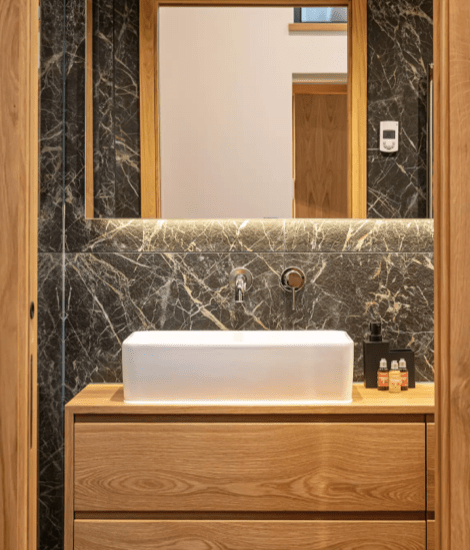
Top Manor Ultimate Trends for Modern Living
A grand house used to mean one thing: polished rooms…

Premium TV Installation Kelowna Solutions
Television entertainment has become one of the most important parts…
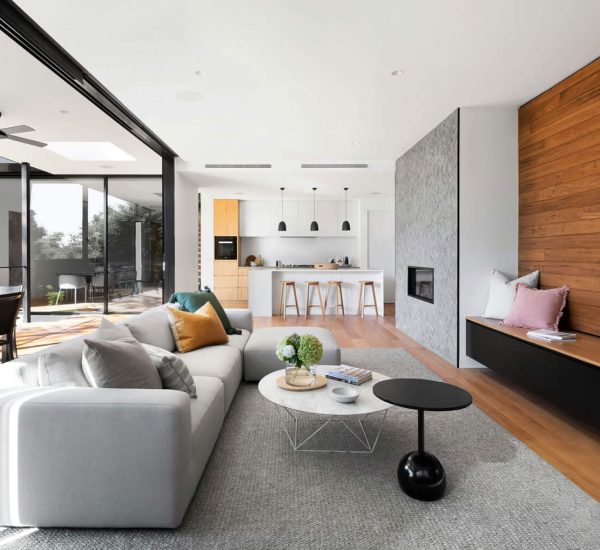
Best Manor Ultimate Decor Tips for Homes
A beautiful home does not begin with expensive furniture. It…