
A beautiful home does not begin with expensive furniture. It begins with decisions. The right ones make a room feel calm, sharp, and lived in without looking tired by Friday. The wrong ones leave you with a space that costs plenty yet somehow feels flat. That is why manor decor tips matter more than another rushed shopping list or a trend reel that expires in a month.
When you want a house to feel refined, you do not need a castle, a sweeping staircase, or a butler polishing silver in the background. You need proportion, restraint, and the nerve to stop before a room turns into a showroom. A manor-inspired home carries weight, but it should still welcome muddy shoes, late coffee, and the people you actually like. Done well, it feels settled. Done badly, it feels like a hotel lobby trying too hard. This guide is for homeowners who want dignity without stiffness, charm without clutter, and a style that looks richer because it has been thought through, not because it has been overstuffed.
Start with Structure, Not Shopping
The biggest mistake in decorating happens before the first cushion lands on a sofa. People buy pieces they like in isolation, then act surprised when the room feels like a group chat with no moderator. A manor-inspired home needs order first. Before you choose color, art, or lighting, get the bones right. That means scale, movement, balance, and a sense that every object belongs to the room rather than fighting it. In a real home, that order creates ease. You feel it before you notice it.
Let the room tell you what it can carry
Every room has a limit, and good taste knows where it is. A modest living room cannot hold hulking chairs, a giant coffee table, and three side cabinets just because each piece looked lovely in a showroom. Manor style depends on calm authority, and cramped rooms never feel authoritative. They feel apologetic.
Start by measuring what matters. Walkways should stay open, doors should swing cleanly, and seating should face people as naturally as it faces a view or a fireplace. When you leave enough space around furniture, the room reads as confident. Crowding always looks nervous.
Think of old houses that still feel gracious even when they are not huge. Often the furniture sits lower, the lines stay cleaner, and the weight gets spread across the room rather than piled into one corner. That is the trick. Grandeur is not bulk. It is control.
Build symmetry, then break it once
Symmetry gives manor rooms their sense of poise. Matching lamps on a console, a pair of chairs by a hearth, or twin shelves framing a doorway all create the quiet rhythm that makes a room feel deliberate. Your eye relaxes because the room has already done the hard work of organizing itself.
But perfect symmetry can turn stale. A room that behaves too well starts to feel staged, like it is waiting for visitors who never arrive. So set the foundation with balance, then break it once. Add a crooked branch in a tall pot, a modern painting above classic paneling, or a single antique stool beside a polished cabinet.
That slight disruption keeps the room human. It says someone lives here and has opinions. In one townhouse renovation I saw, the designer paired a formal mantel with an oversized contemporary canvas that should not have worked on paper. It worked because the room had enough structure to absorb a little rebellion.
Use Materials That Age Like They Mean It
A manor-inspired room should improve with time, not panic at the first scratch. This is where many homes lose the plot. They buy things that look rich from across the room but reveal their shortcuts up close. Real character comes from surfaces that pick up a bit of life and still look handsome for it. Scratches on cheap laminate look tragic. Marks on oak can look earned.
Choose finishes with depth, not shine
The quickest way to cheapen a room is to chase too much gloss. High shine on every surface makes a house feel restless, almost slippery. Manor interiors lean on depth instead: waxed wood, brushed metal, stone with variation, linen with a visible weave. Those materials catch light softly, and softness reads as confidence.
This does not mean the house should look dull. It means contrast should work harder than sparkle. A matte wall behind a polished mirror, old brass beside painted cabinetry, or a dark wood table under natural daylight creates richness without noise. The room feels considered because nothing is yelling.
One of the smartest updates you can make is replacing fake-perfect finishes with honest ones. A worn leather chair often looks better after a year than it did on delivery day. The same goes for unlacquered brass hardware, timber floors, and proper plaster walls. They settle in. That is the whole point.
Layer fabric the way old homes do
Textiles carry more of a room’s mood than most people admit. A space with hard surfaces only might look clean in photos, but it feels cold by evening. Manor rooms soften themselves through fabric, though not in a fussy way. You want drape, texture, and a little weight.
Use curtains that reach the floor properly. Not “almost there” properly. Actually there. Rugs should anchor furniture instead of floating like postage stamps in the middle of a room. Upholstery should invite you in without sagging into laziness. This is where decor tips for homes become practical, because fabric choices shape how a room sounds, moves, and rests.
Mix materials that respond differently to light and touch. Pair velvet with linen, wool with cotton, or a nubby throw over a sleek armchair. That mix creates the depth people often mistake for luxury. It is not magic. It is layering done with restraint.
Color Should Steady the House
A manor palette does not need to be dark, but it does need to feel rooted. Rooms look expensive when their colors seem tied to architecture, light, and season instead of a passing online obsession. Paint can rescue a dull room or ruin a promising one in a single afternoon. Choose tones that hold the house together, not shades that merely demand attention.
Ground the palette in one dependable family
The easiest way to make a home feel coherent is to choose one color family that quietly threads from room to room. That might be warm stone, muted olive, soft taupe, smoky blue, or clay. The point is not sameness. The point is continuity. When colors relate, the house feels larger and calmer.
Many older homes already hint at what they want. Brick fireplaces, timber floors, aging brass, and off-white trim all push you toward certain tones. Listen to that. A good decorating scheme works with the house instead of trying to win an argument against it.
This is where smart homeowners beat trend chasers. They pick colors that still make sense at breakfast, at dusk, in winter, and with the lamps on. Flashy shades can look thrilling for a week. Then they start asking for forgiveness. A grounded palette rarely does.
Save drama for places that earn it
Not every room deserves to whisper. Some should make an entrance. A powder room wrapped in inky paint, a library in moss green, or a dining room with oxblood accents can turn a house from pleasant to memorable. Manor style is not afraid of mood. It simply places it with purpose.
Drama works best in rooms with a reason to feel enclosed or theatrical. A small entry can carry a darker wall because you move through it. A bedroom can handle richer tones because comfort matters more there than brightness. A bright family kitchen, on the other hand, usually wins with steadier, cleaner color.
Use deep shades where they sharpen an experience, not where they swallow daily life. That distinction matters. I have seen homes where one bold room gave the entire house personality. I have also seen homes where every room tried to be the star and ended up exhausting everyone in it.
Decor Means Editing as Much as Adding
This is the part nobody wants to hear after buying twelve accessories in one weekend. A good room often becomes great when you remove things. Manor-inspired homes feel rich because they leave space around the right objects. They do not explain themselves with constant ornament. They trust a few strong pieces to do the talking.
Pick statement pieces that carry history or weight
You do not need a house full of antiques, but you do need a few pieces with presence. A carved chest, a large framed landscape, a substantial dining table, or an old mirror with a bit of wear gives the room gravity. These pieces anchor newer items and stop the space from feeling disposable.
The secret is contrast between old and new, polished and rough, formal and relaxed. A sleek sofa beside a weathered trunk often feels more believable than a full matching set bought in one go. Real homes collect. They do not arrive all at once in identical cardboard boxes.
For people trying to pull together manor decor tips that actually work in modern houses, this is the hinge point. You want evidence of time, even if your home is new. That can come from vintage finds, inherited furniture, reclaimed wood, or even art with a strong sense of place. Weight matters. Story matters more.
Keep surfaces curated, not crowded
Flat surfaces reveal your habits fast. A console table piled with candles, bowls, framed quotes, and random objects does not look styled. It looks undecided. Manor rooms treat surfaces with more discipline. A sideboard might hold a lamp, a bowl, and one strong piece of art leaning behind it. Done. That restraint gives each item room to matter.
The same rule applies to shelves. Mix books horizontally and vertically, leave gaps, and avoid filling every inch. Empty space is not wasted space. It is visual breathing room. This is one of those decor tips for homes that sounds obvious until you try it and the room suddenly feels twice as polished.
Do not fear a little bareness. That is where elegance often lives. A house gains dignity when it stops pleading for approval. Add objects that earn their keep, then step back. If the room still feels thin, add one meaningful thing. Not six panicked things.
Lighting Decides Whether the Room Lives or Dies
You can decorate brilliantly and still lose the room with bad lighting. Harsh overhead light flattens texture, drains color, and makes even handsome furniture look ordinary. Manor style depends on mood as much as material, and mood comes from how light falls in layers. No room has ever felt grand under a lonely ceiling bulb. That is just the truth.
Build light from low, warm sources
Good lighting begins below eye level more often than people expect. Table lamps, wall sconces, picture lights, and shaded floor lamps create the pools of warmth that make a room feel inhabited. They also flatter materials. Wood deepens, fabric softens, and faces look kinder. Everyone wins.
Overhead lighting still has a place, but it should not do all the work. Use it for function, then let smaller sources carry the atmosphere. In a sitting room, two or three lamps at different heights can create more beauty than one expensive chandelier trying to save the whole scene alone.
One easy test helps here: turn off the ceiling light in the evening and ask whether the room still feels welcoming. If it dies instantly, your lighting plan is weak. A house with manor character glows in pockets. It does not blast itself awake.
Treat art, windows, and corners as part of the scheme
Lighting should reveal what matters. A painting above a mantel, a textured wall, a reading chair, or even a quiet corner with a branch arrangement all deserve attention. When light lands with intention, the room feels finished. When it misses the best parts, the house feels oddly unfinished, even if you cannot name why.
Windows matter too. During the day, let natural light speak. Heavy curtains should frame a window, not smother it. In the evening, that same window becomes a dark mirror, which means lamp placement matters even more. Reflections can double beauty or expose clutter. Pay attention.
Some of the most persuasive rooms use light almost theatrically, but never showily. A sconce washing over paneling, a lamp glowing beside a stack of books, a soft bulb near a bronze frame—those choices feel small, yet they change everything. Good rooms are built from such choices. Great ones depend on them.
Conclusion
A home earns elegance through judgment, not excess. That is the idea people miss when they chase a manor look by buying more, adding faster, and filling every blank inch they can find. The rooms that stay with you are the ones that know when to pause. They balance weight with comfort, beauty with use, and character with calm. That is why manor decor tips work best when you treat them as principles rather than purchases.
You do not need to copy an estate house to borrow its confidence. You need better proportions, steadier color, richer materials, fewer but stronger objects, and lighting that respects the hour of the day. Then the house starts to feel settled in the best way. It feels trusted. For more inspiration on thoughtful interiors and home styling ideas, browse expert design insights and study what gives a room staying power instead of momentary applause.
Your next step is simple: choose one room, remove what weakens it, and rebuild with intention. Start there. A smarter house rarely begins with more. It begins with better.
FAQ 1: What is manor style decor in a modern home?
Manor style decor brings old-world balance, weight, and warmth into a modern home without turning it into a museum. You mix strong furniture, rich textures, and calm color choices so the space feels settled, elegant, and genuinely comfortable for daily life.
FAQ 2: How do I make my home look expensive without overspending?
Start with paint, lighting, and layout before buying new furniture. Choose fewer pieces with better shape, add textured fabrics, and remove clutter hard and fast. A room looks expensive when it feels calm, balanced, and intentional, not when it is stuffed.
FAQ 3: Which colors work best for manor-inspired interiors?
Muted, grounded colors usually work best: warm stone, olive, deep blue, clay, taupe, and soft cream. They hold up across seasons and lighting conditions. Stronger shades can shine too, but they need the right room and enough restraint around them.
FAQ 4: Can small houses use manor decor ideas successfully?
Yes, and sometimes small houses carry them better because every decision shows. Focus on proportion, symmetry, layered lighting, and meaningful furniture. Skip oversized pieces and fake grandeur. A smaller room with discipline feels far more refined than a bigger confused one.
FAQ 5: What furniture gives a room manor character fastest?
A solid dining table, a deep upholstered chair, an aged chest, or a substantial mirror can shift the mood quickly. You want pieces with visual weight and honest materials. One good anchor does more for character than five forgettable decorative extras.
FAQ 6: How many accessories should I use in each room?
Use fewer than you think. Start with one statement item per surface, then add only what deepens the room. Shelves need gaps, consoles need discipline, and coffee tables need restraint. When accessories compete, the room loses clarity and charm.
FAQ 7: Is manor decor the same as traditional interior design?
Not quite. Traditional design can feel polished and familiar, while manor decor adds more depth, mood, and a sense of age. It often mixes formal structure with rougher materials, stronger contrast, and pieces that feel collected instead of perfectly matched.
FAQ 8: What is the biggest mistake people make with manor decor?
They confuse elegance with heaviness. Too much dark wood, too many ornaments, and bulky furniture can make a room feel tired fast. Manor style needs breathing room, editing, and contrast. It should feel grounded, never gloomy, crowded, or costume-like.
Related Posts
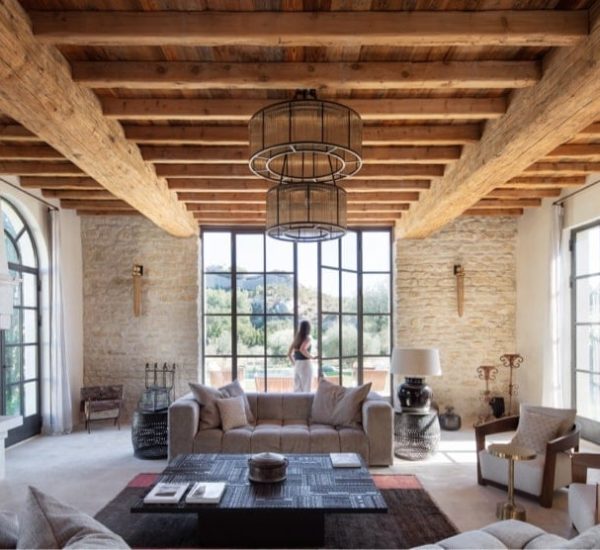
Best Manor Ultimate Tips for Stylish Interiors
A beautiful room does not start with money. It starts…

How Professional Movers and Packers in Dubai Make Relocation Easier
Moving to a new home or office in Dubai can…
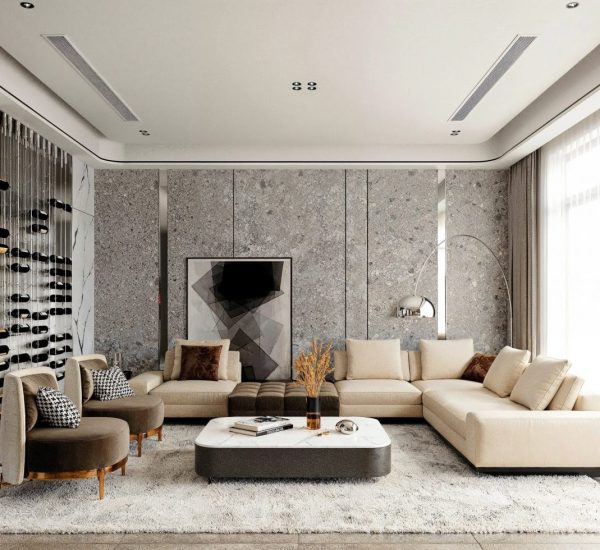
Top Manor Ultimate Inspiration for Elegant Interiors
A polished home does not begin with expensive furniture or…